
 Español
 Portugues
 Pусский
 Français
 Deutsch
 日本語
日本語 한국어
한국어 العربية
 Italiano
 Nederlands
 Ελληνικά
 Svenska
 Polski
 ไทย
ไทย Türk dili
 हिन्दी
 Indonesia
 Melayu
 Tiếng Việt
 中文
中文 dansk
dansk Magyar
 қазақ
қазақ বাংলা
বাংলা עִברִית
 čeština
 Soomaali
 မြန်မာ
 فارسی
فارسی українська
 norsk
norsk Gaeilge
 беларускі
 Română
 ພາສາລາວ
 Filipino
 lietuvių
 Cymraeg
 македонски
 Suomalainen
 slovenský
 o'zbek
 اردو
اردو հայերեն
 Igbo
Igbo български
 سنڌي
سنڌي Shona
Shona සිංහල
සිංහල Hrvatski
 íslenskur
 galego
 català
 Zulu South Africa
 Afrikaans isiXhosa
 ಕನ್ನಡ
ಕನ್ನಡ lëtzebuergesch
 Indonésia Sunda
 Кыргызча
 тоҷикӣ
 Србија
 Twi
Twi Hawaii
 Cebu
Cebu नेपाल
नेपाल euskara
 frissi
 יידיש
יידיש latvija
 slovenija
 kiswahili
 ਪੰਜਾਬ
ਪੰਜਾਬ پښتو
پښتو საქართველოს
 hua moni
 bosna
bosna Kreyòl ayisyen
 Eesti
Eesti Gàidhlig na h-Alba
 Samoa
Samoa Монгол
 Azərbaycan
 አማራ
አማራ Shqipëria
 Malagasy
 Malta
Malta ខ្មែរ
ខ្មែរ Chicheva
 中文(繁体)
 ଓଡିଆ
ଓଡିଆ Setswana
 Afrikaans
 Aymara
 Башҡорт
 Türkmenler
 ትግሪኛ
ትግሪኛ Afaan Oromoo
 অসমীয়া
 Kinyarwanda
 Ilocano
 Wolof
Wolof अवधी
अवधी Oluganda
 Bikol
Bikol Fulɓe
Fulɓe Kikongo
 Sango
Sango ދިވެހި
 Lingala
 मैथिली
 Tsonga
 ꯃꯦꯏ ꯊꯥꯏ꯫
 brezhoneg
 Furlan
 नेवा
नेवा རྫོང་ཁ
 Santali
 Аҧсуа
Аҧсуа Нохчийн
 Чӑваш
Чӑваш Татар
Татар Batak Karo
 دری
دری Diura
Diura Fengyu
 Eʋegbe
 Iban
Iban Fiji
Fiji Tonga
Tonga Inuktitut
 Nahuatl
 maaya yucatec
 Runasimi
 guarani
 Qafar
Qafar Acholi
 Dinka
Dinka Luo
Luo Lundi
Lundi isiNdebele
 Tshivenḓa
 Sesotho sa Leboa
 Sesotho sa Borwa
 Ndumbe
 Papuan Pidgin
 Rromani ćhib
 Thok Nath

Weld-on Hub
A weld-on hub is a mechanical component designed to create a strong and reliable connection between a shaft and a rotating or driven element. It is commonly used in power transmission systems, conveyor assemblies, agricultural equipment, and various industrial machines where secure attachment and precise alignment are required. The hub is typically manufactured from durable materials such as carbon steel, stainless steel, or alloy steel, depending on the application environment and load conditions.The main feature of a weld-on hub is its ability to be permanently attached to another component by welding. This design offers excellent torque transmission and structural stability. Compared with bolted or clamped connections, a welded connection reduces the risk of slippage and loosening under vibration, shock loads, or continuous operation. As a result, weld-on hubs are often chosen for heavy-duty applications where strength and dependability are critical.A typical weld-on hub includes a central bore that fits onto a shaft or mates with another part, along with a cylindrical or flange-like body that provides a welding surface. The component is usually machined with high precision to ensure dimensional accuracy and smooth operation. Some designs may include keyways, tapped holes, or threaded sections to accommodate additional locking or mounting methods. These features improve the versatility of the hub and allow it to work with different system requirements.Installation is straightforward. The hub is positioned on the target component and welded in place using an appropriate welding process, such as MIG, TIG, or arc welding. Proper alignment is essential during installation to avoid imbalance or premature wear in the rotating assembly. Once welded, the hub becomes a permanent part of the structure, capable of handling substantial mechanical stress. In many cases, the welded connection also helps reduce maintenance needs because there are fewer fasteners to inspect or tighten.Weld-on hubs are valued for their simplicity, strength, and adaptability. They are available in different sizes, bore diameters, wall thicknesses, and surface finishes to suit a wide range of industrial uses. Some versions are designed for high-torque environments, while others are optimized for compact assemblies where space is limited. Corrosion-resistant options are also available for outdoor or humid conditions.Because of their robust construction and secure attachment method, weld-on hubs are widely used in systems that demand long service life and reliable performance. They are an effective solution for connecting rotating parts while maintaining stability, accuracy, and durability.
Products
Category:
Hub
-
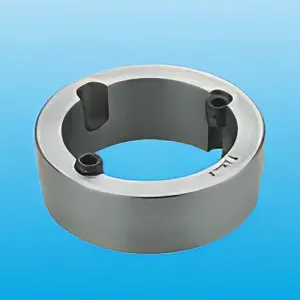
Taper Type W-Wa Weld-on Hubs
Category: HubBrowse number: 187Number:Release time: 2026-10-15 20:14:13Taper welding on the hub is often used to connect the hub to the wheel. This type of connection provides a stronger connection, allowing the hub and wheel to better withstand the pressure and vibration of the vehicle. Tapered welding can provide a larger contact area and connection strength, thereby increasing the stability and security of the connection. This connection method is commonly used in hub-to-wheel connections on vehicles such as cars, trucks, and airplanes.
News
Category:
No search results found!
Case
Category:
No search results found!
Video
Category:
No search results found!
Download
Category:
No search results found!
Job
Category:
No search results found!
Featured Products
No search results found!



 WhatsApp
 Phone
Phone