
 Español
 Portugues
 Pусский
 Français
 Deutsch
 日本語
日本語 한국어
한국어 العربية
 Italiano
 Nederlands
 Ελληνικά
 Svenska
 Polski
 ไทย
ไทย Türk dili
 हिन्दी
 Indonesia
 Melayu
 Tiếng Việt
 中文
中文 dansk
dansk Magyar
 қазақ
қазақ বাংলা
বাংলা עִברִית
 čeština
 Soomaali
 မြန်မာ
 فارسی
فارسی українська
 norsk
norsk Gaeilge
 беларускі
 Română
 ພາສາລາວ
 Filipino
 lietuvių
 Cymraeg
 македонски
 Suomalainen
 slovenský
 o'zbek
 اردو
اردو հայերեն
 Igbo
Igbo български
 سنڌي
سنڌي Shona
Shona සිංහල
සිංහල Hrvatski
 íslenskur
 galego
 català
 Zulu South Africa
 Afrikaans isiXhosa
 ಕನ್ನಡ
ಕನ್ನಡ lëtzebuergesch
 Indonésia Sunda
 Кыргызча
 тоҷикӣ
 Србија
 Twi
Twi Hawaii
 Cebu
Cebu नेपाल
नेपाल euskara
 frissi
 יידיש
יידיש latvija
 slovenija
 kiswahili
 ਪੰਜਾਬ
ਪੰਜਾਬ پښتو
پښتو საქართველოს
 hua moni
 bosna
bosna Kreyòl ayisyen
 Eesti
Eesti Gàidhlig na h-Alba
 Samoa
Samoa Монгол
 Azərbaycan
 አማራ
አማራ Shqipëria
 Malagasy
 Malta
Malta ខ្មែរ
ខ្មែរ Chicheva
 中文(繁体)
 ଓଡିଆ
ଓଡିଆ Setswana
 Afrikaans
 Aymara
 Башҡорт
 Türkmenler
 ትግሪኛ
ትግሪኛ Afaan Oromoo
 অসমীয়া
 Kinyarwanda
 Ilocano
 Wolof
Wolof अवधी
अवधी Oluganda
 Bikol
Bikol Fulɓe
Fulɓe Kikongo
 Sango
Sango ދިވެހި
 Lingala
 मैथिली
 Tsonga
 ꯃꯦꯏ ꯊꯥꯏ꯫
 brezhoneg
 Furlan
 नेवा
नेवा རྫོང་ཁ
 Santali
 Аҧсуа
Аҧсуа Нохчийн
 Чӑваш
Чӑваш Татар
Татар Batak Karo
 دری
دری Diura
Diura Fengyu
 Eʋegbe
 Iban
Iban Fiji
Fiji Tonga
Tonga Inuktitut
 Nahuatl
 maaya yucatec
 Runasimi
 guarani
 Qafar
Qafar Acholi
 Dinka
Dinka Luo
Luo Lundi
Lundi isiNdebele
 Tshivenḓa
 Sesotho sa Leboa
 Sesotho sa Borwa
 Ndumbe
 Papuan Pidgin
 Rromani ćhib
 Thok Nath

shaft hub
A shaft hub is a mechanical component designed to connect a shaft with another part of a machine, such as a gear, pulley, coupling, impeller, or wheel. It serves as the central mounting point through which torque and rotational motion are transmitted efficiently and securely. In many mechanical systems, the shaft hub plays a critical role in ensuring stable power transmission, accurate alignment, and reliable performance under varying loads.Structurally, a shaft hub usually has a cylindrical or similarly shaped bore in the center, allowing it to fit around or onto a shaft. The outer portion is commonly designed with features such as keyways, splines, holes, set screw positions, or clamping mechanisms, depending on the application. These features help lock the hub in place and prevent slippage during operation. Some shaft hubs are manufactured as a single solid piece, while others are designed to be split or adjustable for easier installation and removal.Materials used for shaft hubs vary according to the required strength, durability, and operating environment. Common materials include carbon steel, alloy steel, stainless steel, cast iron, aluminum, and certain engineered polymers. Steel hubs are widely used in heavy-duty applications because they provide high strength and wear resistance. Stainless steel hubs are preferred in corrosive or sanitary environments, while aluminum hubs are chosen when lightweight construction is important. The choice of material influences not only mechanical performance but also resistance to fatigue, corrosion, and temperature changes.Shaft hubs are used in a wide range of industries, including manufacturing, automotive, energy, agriculture, mining, and robotics. In conveyor systems, for example, a hub may connect a pulley to the drive shaft. In rotating equipment, it may secure a fan blade, coupling element, or cutting tool. Because of their versatility, shaft hubs are essential in both simple assemblies and complex machinery.The performance of a shaft hub depends on precision manufacturing and proper installation. Accurate machining ensures a correct fit between the hub and shaft, reducing vibration and wear. If the hub is misaligned or improperly tightened, it can lead to imbalance, noise, damage to surrounding components, or even mechanical failure. For this reason, engineers carefully select hub dimensions, tolerances, and fastening methods based on torque requirements, speed, and operating conditions.Maintenance of shaft hubs generally involves periodic inspection for looseness, wear, cracks, or corrosion. In high-speed or high-load applications, regular checks are especially important to maintain safety and efficiency. When correctly designed and maintained, a shaft hub contributes to smooth motion, dependable power transfer, and long service life in mechanical systems.If you want, I can also rewrite this as:1. a more technical version,2. a marketing/product-description version, or3. a simpler English version.
Products
Category:
-
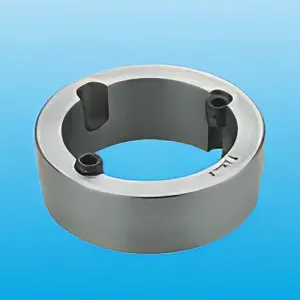
Taper Type W-Wa Weld-on Hubs
Category: HubBrowse number: 187Number:Release time: 2026-10-15 20:14:13Taper welding on the hub is often used to connect the hub to the wheel. This type of connection provides a stronger connection, allowing the hub and wheel to better withstand the pressure and vibration of the vehicle. Tapered welding can provide a larger contact area and connection strength, thereby increasing the stability and security of the connection. This connection method is commonly used in hub-to-wheel connections on vehicles such as cars, trucks, and airplanes.
News
Category:
No search results found!
Case
Category:
No search results found!
Video
Category:
No search results found!
Download
Category:
No search results found!
Job
Category:
No search results found!
Featured Products
No search results found!



 WhatsApp
 Phone
Phone